
Starting occupational therapy for your child is a big step. For most families, it comes after weeks or months of noticing something feels harder than it should, like getting dressed in the morning, holding a pencil, sitting still long enough to eat, managing a change in routine without everything falling apart. You have done the hard part of deciding to seek help. Now you want to know what actually happens.
Our team at Your Best Life Children’s and Teens’ Therapy (YBL CATT) walks you through the full process, from your first enquiry through to the feedback session after your child’s initial assessment.
We also answer the questions parents ask us most often, including how many sessions children typically need, what to do if your child is anxious about attending, and how occupational therapy is funded.
Quick Answer: What Happens At A First OT Session?
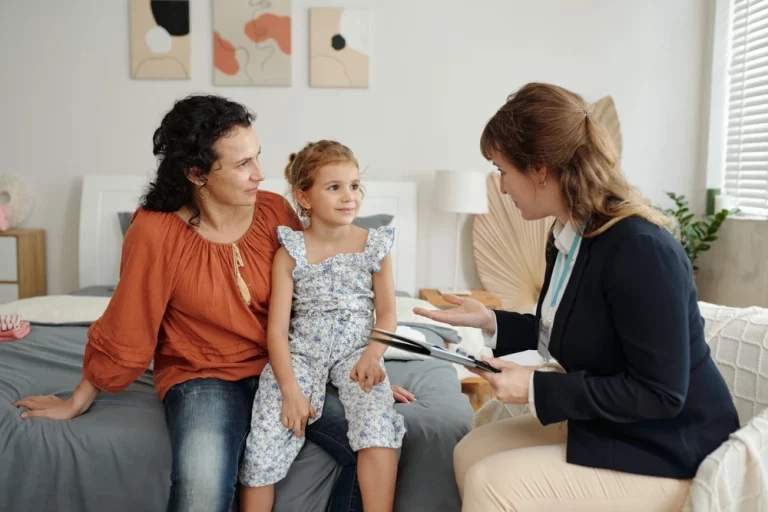
Your child’s first occupational therapy session is an initial assessment and not a treatment session. Occupational therapy for children begins with spending time observing your child, gathering information from you, and completing standardised or clinical assessments to understand your child’s strengths and the areas where they need support. You will be involved throughout.
At the end of the assessment process, our team will provide feedback and work with you to set clear, practical goals. Therapy sessions begin after that foundation is in place.

What Is Paediatric Occupational Therapy?
Occupational therapy for children focuses on the everyday activities — or occupations — that shape children’s everyday lives and that they need, want, and are expected to do. For a child, those occupations include self-care tasks like dressing, feeding, and personal hygiene. They also cover school tasks like handwriting, using scissors, and staying focused in class. Play, social participation, and leisure all fall within this scope, as does managing emotions and sensory input across different environments.
A paediatric occupational therapist is a university-trained health professional who assesses a child’s ability to participate in these activities and works with the child and their family to build the foundational skills that make participation possible. That might mean developing fine motor skills, improving gross motor coordination, building emotional regulation strategies, addressing sensory processing challenges, supporting sensory integration, strengthening executive functioning, or supporting school readiness. The specific focus depends on the child.
Occupational therapy helps children participate more fully in the activities that matter at home, at school, and in the community.
Our occupational therapists work with children across a wide range of presentations, including autism spectrum disorder, attention deficit hyperactivity disorder, developmental coordination disorder, global developmental delay, sensory processing difficulties, and anxiety. Children with sensory processing differences often find that everyday tasks require far more effort than they appear to from the outside. We also support children who do not have a formal diagnosis but are finding certain activities consistently difficult.


How The Process Works: From Referral To Ongoing Therapy
The journey from first contact to active therapy follows a clear sequence. Here is what to expect at each stage.
Step 1: Make a Referral or Enquiry
You do not need a referral from a GP or paediatrician to access our occupational therapy services. Families can contact us directly. That said, a referral can be helpful if your child is accessing funding through an GP Chronic Condition Management Plan (GPCCMP) or a Mental Health Care Plan (MHCP), as these require a GP referral to access Medicare rebates.
To get started, you can submit a referral through our online referral form, contact us via our website, or call or email any of our clinic locations. When you reach out, let us know which services you are interested in and your preferred location. We have clinics in Maroochydore, Nambour, Kawana Waters, Gympie, Caboolture, and Morayfield.
Also, tell us about your child’s funding source, whether you are using NDIS funding, private health insurance, an EPC plan, or paying privately. This helps us confirm your eligibility and get you booked efficiently.
Step 2: Complete the Intake Form
Once we have received your enquiry, we will send you an intake form to complete before your first appointment. This form gives our therapists essential background information about your child: their history, developmental milestones, current strengths and challenges, any previous diagnoses, other services they are receiving, and the specific concerns that prompted you to seek support.
Please take your time with this form. The more detail you include, the better prepared your therapist will be. You do not need to have everything figured out. Write down what you have noticed, even if you are not sure it is relevant. Your observations as a parent are one of the most valuable sources of information we have.
Step 3: The Initial Assessment Session
The initial assessment is the starting point for everything that follows. It is longer than a standard therapy session — typically 60 to 90 minutes — and its purpose is to build a clear picture of your child’s current abilities, the areas where they are finding things difficult, and the reasons behind those difficulties.
What the therapist observes and assesses
Depending on your child’s age and the nature of your concerns, our therapist may assess a range of areas. These commonly include:
- Fine motor skills — hand strength, pencil grip, scissor use, fastening buttons
- Gross motor skills and coordination — balance, body awareness, movement planning
- Sensory processing — how your child responds to touch, sound, movement, taste, and visual input, and how sensory sensitivities affect participation in daily activities
- Self-care tasks — dressing, feeding, personal hygiene, toileting
- Emotional regulation and self-management skills
- Social skills and play
- School readiness and attention
Some of this assessment happens through structured, standardised tests. Other parts happen through observation such as watching your child play, interact, and attempt tasks in a low-pressure environment. Our therapists are skilled at making assessment feel like exploration rather than a test.
Your role during the assessment
We will ask you questions throughout the assessment session, and we actively encourage you to share what you observe at home and at school. You know your child better than anyone. Your account of what a typical morning looks like, which activities your child avoids, and how they respond to new situations is essential clinical information not background noise.
If your child has a school report, a paediatrician’s letter, or previous assessment results, bring copies to this appointment. These help us form a more complete picture and avoid duplication.
What to tell your child beforehand
Many children feel some anxiety before their first therapy visit. We suggest keeping your explanation simple and honest. Tell them they are going to meet someone who helps kids get better at things that feel tricky, that there will be activities and games, and that you will be with them. Avoid building it up too much or using clinical language that might feel confronting.
If your child has significant anxiety about new environments or people, let us know when you book. Our therapists are experienced in supporting children who are apprehensive, and we can adjust our approach from the start.
Step 4: The Feedback Session
After the initial assessment, the therapist will share what they found. This may happen in the same session or at a separate appointment. This is called the feedback session, and it is one of the most important parts of the process.
In the feedback session, your therapist will explain what the assessment revealed about your child’s strengths and challenges. They will describe the areas they recommend targeting in therapy and discuss goal-setting with you and, where appropriate, with your child. They will also outline a recommended therapy plan, including session frequency and format.
This is also your opportunity to ask questions. Nothing from the assessment is off-limits. If you want to understand why your child struggles with something, what the underlying mechanism is, or what you can do to support them at home between sessions, ask. We want you to leave the session feeling informed and clear on the path forward.
Step 5: Ongoing Therapy Sessions
Once goals are set, therapy begins. Our sessions are structured around your child’s specific goals and are adapted as your child develops and their needs change. Depending on what the child is working toward, a session might involve structured fine motor activities, sensory play, gross motor challenges, social skill-building games, or self-care skills.
We work hard to keep sessions engaging. Children learn best when they are having fun and feeling safe, so our therapists design activities that are purposeful but not prescriptive. We also make sure family members understand what is happening in sessions and why, and we share strategies you can use at home to reinforce what we are working on in the clinic.

How Many Occupational Therapy Sessions Will My Child Need?
This is one of the most common questions we receive, and the honest answer is that it depends. The number of sessions a child needs varies based on the nature and complexity of their challenges, how early they receive support, how consistently strategies are applied between sessions, and the goals you are working toward.
Some children with specific, well-defined goals see meaningful progress in six to twelve sessions. Others with more complex needs — particularly children with autism spectrum disorder, global developmental delay, or significant sensory processing issues — benefit from longer-term, ongoing support. We review progress regularly and adjust the plan based on what the data and your observations tell us.
Early intervention generally produces better outcomes. If you have been weighing up whether to seek support, earlier engagement tends to shorten the overall time a child needs therapy. Accessing services early means we can support development during the periods when a child’s development is most responsive to intervention.
How Is Children's Occupational Therapy Funded?
YBL CATT accepts a range of funding sources for occupational therapy services. Understanding your options before you book can save time and reduce stress.
NDIS
Children with an NDIS plan can access occupational therapy through their Capacity Building — Improved Daily Living funding. YBL CATT is a registered NDIS provider, which means we can work with plan-managed and NDIA-managed participants as well as self-managed participants.
If your child does not yet have an NDIS plan and you believe they may be eligible, we can assist with supporting documentation.
GP Chronic Condition Management Plan (GPCCMP)
From 1 July 2025, the Enhanced Primary Care (EPC) plan was replaced by the GP Chronic Condition Management Plan (GPCCMP). This is a Medicare-funded pathway that gives eligible children access to up to 5 subsidised allied health visits per calendar year.
To access this funding, your child must have a chronic or complex condition and your GP must prepare a GPCCMP. Once the plan is in place, your GP refers your child to allied health services using a standard referral letter — the same process used to refer to a medical specialist. No special Medicare form is required, and no team care arrangement needs to be set up beforehand.
The 5 visits can be used with a single allied health discipline or split across different types — for example, 3 occupational therapy sessions and 2 speech pathology sessions. Your GP does not need to specify the number of sessions on the referral, though they may choose to do so. The referral is valid for 18 months from the date of your child’s first appointment, unless your GP states a different timeframe.
Each visit attracts a partial Medicare rebate. A gap fee typically applies, depending on the clinic’s fee schedule. Speak with your GP about whether your child is eligible and whether a GPCCMP is appropriate for their needs.
Mental Health Care Plan (MHCP)
If your child’s occupational therapy needs relate to mental health — for example, anxiety, emotional dysregulation, or a psychosocial disability — a GP may be able to refer under a Mental Health Care Plan. This also attracts a Medicare rebate for eligible sessions.
Private Health Insurance
Many private health funds provide rebates for paediatric occupational therapy under extras cover. The rebate amount varies depending on your fund and level of cover. We recommend checking with your insurer before your first session.
Private Fee
Families who are not eligible for subsidised funding or who prefer to access services without a plan or referral are welcome to attend on a private fee basis. Our team can provide a fee schedule on request.


How Your Best Life Children's and Teens' Therapy Can Help
YBL CATT is a registered NDIS provider offering occupational therapy for children and teens under the age of 17. Our paediatric occupational therapy services span individual therapy, group programs, assessments, and multidisciplinary collaboration across six clinic locations.
We have clinics in Maroochydore, Nambour, Kawana Waters, Gympie, Caboolture, and Morayfield — covering families from North Lakes to Gympie. Our multidisciplinary team includes occupational therapists, speech pathologists, physiotherapists, psychologists, and positive behaviour support practitioners, which means your child’s care can be coordinated across disciplines without your family having to manage multiple providers.
We work with children and teens across a wide range of presentations and ages, and our experienced team is committed to keeping families informed and involved at every stage. Our assessments are thorough, our recommendations are practical, and our therapy sessions are built around what your child actually needs and not a standard program.
We also offer group sessions, which can be a valuable supplement to individual therapy for children working on social skills, school readiness, or fine and gross motor development in a peer setting.
Ready To Book Your Child's First Occupational Therapy Session?
If you are based anywhere from North Lakes to Gympie and you are ready to take the next step, our team is here to help. We have clinics in Maroochydore, Nambour, Kawana Waters, Gympie, Caboolture, and Morayfield. We are a registered NDIS provider accepting NDIS, EPC, MHCP, private health, and private fee funding.
You can request an appointment through our online referral form, or get in touch with your nearest clinic directly. If you have a question before you commit, we are happy to talk it through. No pressure, no obligation.
Frequently Asked Questions
No. Many children we work with do not have a formal diagnosis. If your child is finding certain everyday activities consistently difficult — getting dressed, writing, managing their emotions, or participating at school — that is enough reason to seek an assessment.
The occupational therapist will evaluate your child’s abilities and make recommendations based on what they observe, regardless of whether a diagnosis is in place.
The initial assessment is typically 60 to 90 minutes, depending on your child’s age, the complexity of their needs, and the areas being assessed. In some cases the assessment and feedback session are combined. In others, a separate feedback appointment is scheduled. We will let you know what to expect when we confirm your booking.
Bring any previous reports or assessments your child has had whether from a paediatrician, school, psychologist, or other allied health professional. If your child has a current NDIS plan, bring the plan details or the plan document.
Any notes you have made about your observations at home or at school are also helpful. Comfort items for your child are welcome, particularly if they are likely to feel anxious in a new environment.
Let us know when you book. Our therapists are experienced in supporting children who find new environments or unfamiliar adults distressing. We can share the session space with your child beforehand via a short video or photo tour, adjust our approach during the session to move at your child’s pace, and involve you directly so your child feels safe. The first session is never about pushing through discomfort. It is about building trust.
Yes. Occupational therapy is funded under the Capacity Building — Improved Daily Living support category in an NDIS plan. YBL CATT is a registered NDIS provider and can work with plan-managed, NDIA-managed, and self-managed participants. If your child does not yet have an NDIS plan and you believe they may be eligible, contact us and we can discuss the process.
We aim for consistency in the therapeutic relationship, and wherever possible, your child will see the same occupational therapist across their sessions. We understand how important this is, particularly for children who find change difficult. If any changes to your child’s therapist become necessary, we will communicate this clearly and manage the transition carefully.
Session frequency is determined after the initial assessment and feedback session, based on your child’s goals and the complexity of their needs. Weekly sessions are common for children in active therapy. Some families attend fortnightly, particularly once initial goals have been achieved and the focus shifts to maintenance and generalisation. We review frequency regularly and adjust based on progress.
Yes. We offer group sessions at YBL CATT, which can be a valuable option for children working on social skills, school readiness, fine and gross motor skills, or life skills in a peer environment.
Group programs work alongside individual therapy for some children, or as a standalone option for others. Contact your nearest clinic to find out what group programs are currently available.
BE THE FIRST TO KNOW THE LATEST NEWS AND INFORMATION
Subscribe to our newsletter to make sure you don’t miss out!
© 2025 Your Best Life Children’s and Teens’ Therapy | Privacy Policy | Easy English Privacy | Terms & Conditions
